


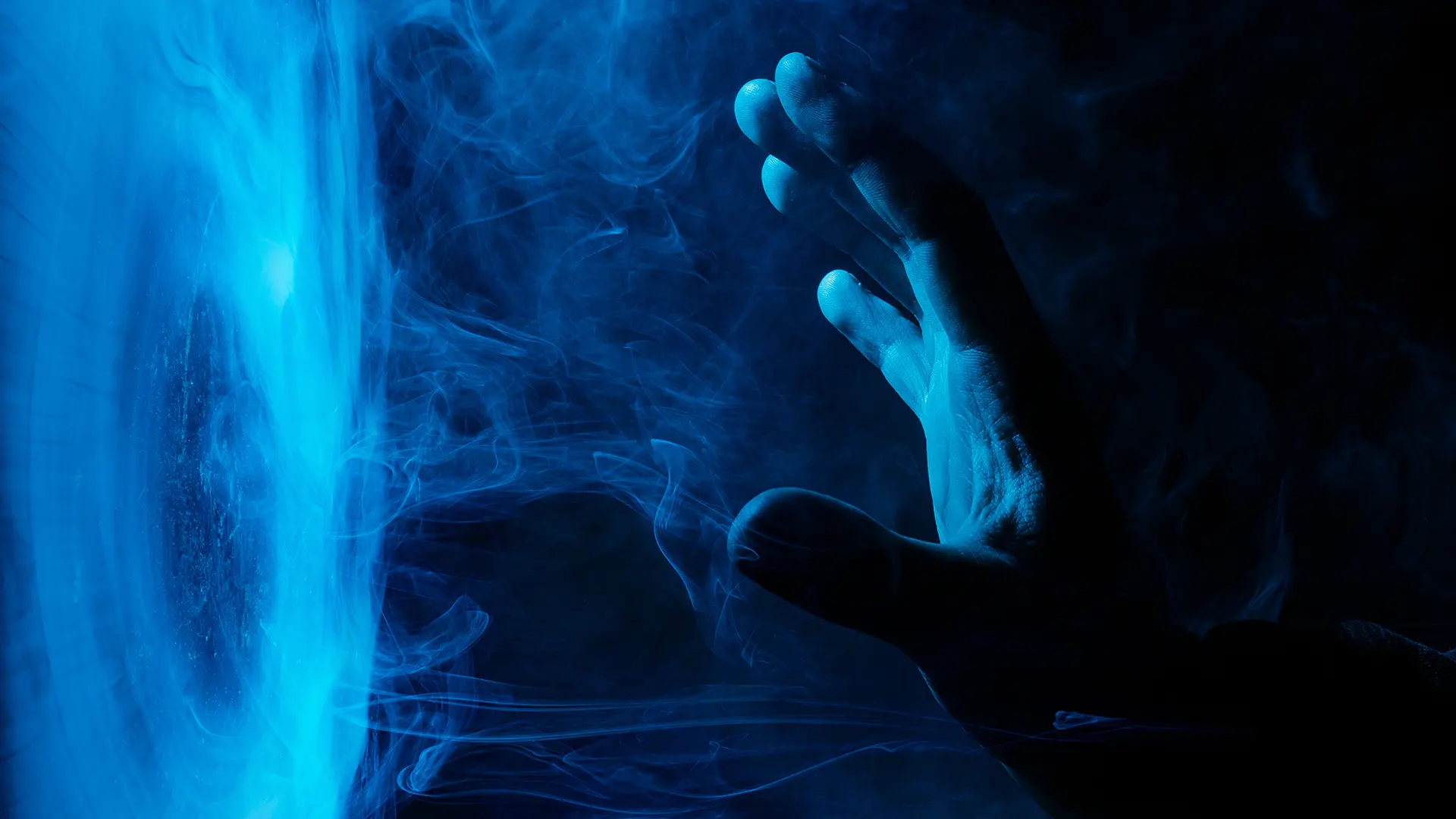

Paranormal mystery is a fusion of investigation, strange phenomena, and supernatural forces. It blends the crime-solving structure of a traditional whodunit with magic, monsters, occult rules, and elements that defy normal logic. The result is a genre where detectives can question ghosts and crime scenes glow with runes. A murder weapon might be a curse instead of a knife.
This guide explores what defines a paranormal mystery and why readers love it. It explores the most common tropes and subtypes, and how humour, dark themes, or regional settings influence the story. Whether you’re new to the genre or already a dedicated fan, this article aims to explore what makes paranormal mysteries compelling.
What defines a Paranormal Mystery?
A paranormal mystery follows a crime investigation—usually a murder or major supernatural disturbance—where the clues, evidence, and suspects include elements beyond natural explanation. The detective might be human and reluctant. Or completely out of their depth.
The core elements
A strong paranormal mystery typically includes:
- A central crime or unexplained event
Something has happened that cannot be explained by ordinary means. - Supernatural interference
Magic, monsters, curses, ghosts, time distortions, psychic visions, or magical artefacts alter the investigation - Detective logic meets supernatural logic
Clues matter, but so do magical rules, runic systems, or the limitations or otherworldly creatures - The tension between rational and magical worldviews
This contrast often drives both conflict and humour. - A reveal that fits both the supernatural rules and the investigative logic
Even if the culprit is a spectral assassin, the solution still needs to make sense
Tone Variations in Paranormal Mystery (Dark, Light, and Humorous)
One of the most appealing aspects of paranormal mystery is how flexible the tone can be. It is one of the few genres that can shift effortlessly between fear, tension, wonder, and outright comedy without breaking reader expectations. Because supernatural elements already bend or replace the rules of the real world, authors have room to decide whether the story leans atmospheric and unsettling, light-hearted and quirky, or sharp and satirical.
Dark paranormal mysteries
These stories lean toward horror and psychological tension.
Expect grim atmospheres, morally ambiguous characters, and supernatural forces that are dangerous, ancient, or predatory.
Light or cosy supernatural mysteries
These prioritize charm and comfort over fear.
The detective may be a small-town witch or a ghost-friendly librarian. Violence is minimal, tone is soft, and supernatural elements are whimsical.
Humorous paranormal mysteries
This is where chaos thrives.
Magic becomes messy, monsters behave badly, bureaucracy collapses, and even the detective might be barely functional. Comedy ranges from dry sarcasm to full slapstick.
(Career Ghouls fits here: a magic-muddled murder case and supernatural threats played for both danger and humour.)
How Magic Shapes a Paranormal Investigation
Magic transforms a normal investigation into something wildly unpredictable. Instead of fingerprints and DNA, clues might involve:
- Residual spell aura
- Disrupted wards
- Ghoul or demon traces
- Runes carved into unusual surfaces
- Temporally displaced evidence
- Ghost witnesses who may or may not tell the truth
Magical forensics
Researchers might rely on:
- Scrying
- Potion-based evidence testing
- Divination
- Trained spirits or familiars
- Occult residue analysis
Each method presents the investigator with new complications. Magical evidence can lie, mislead, or explode.
Monsters as suspects or obstacles
Creatures may:
- Serve as henchmen
- Be controlled by villains
- Be innocent but misunderstood witnesses
- Be obstacles who complicate an otherwise simple clue chain
Misunderstanding magical rules
This is especially fertile ground for humour.
Broken potions, misaligned portals, or ill-defined curses can send the case spiralling out of control.
Popular Tropes in the Paranormal Mystery Genre
Paranormal mysteries thrive on a mix of classic investigative structure and supernatural disruptions. While each story introduces its own magical rules or worldbuilding twists, the genre is built on several recurring tropes that help define its identity. These tropes aren’t clichés. They act as familiar narrative anchors that allow readers to understand what kind of world they’ve entered and what surprises they can expect.
Some tropes highlight the detective’s skills. Others create obstacles. And many provide the blend of danger, humour, or weirdness that makes paranormal mysteries so distinctive. Whether the story leans dark and atmospheric or chaotic and comedic, these recurring elements help guide the reader through both the logic of the mystery and the logic of the supernatural world. Below are some of the most well-loved and commonly used tropes across the genre.
The occult detective
The occult detective is a veteran investigator who approaches supernatural crime with the same discipline as traditional police work. They treat spell residue like forensic evidence and know exactly which demon, ghost, or magical phenomenon fits a given crime scene. Characters like these often bring a dry, procedural tone to paranormal mysteries, grounding the supernatural elements in methodical reasoning. They may resemble the magical equivalent of a seasoned homicide detective who just happens to carry chalk, runes, or potions instead of fingerprint kits.
The reluctant investigator
In contrast to the seasoned occult detective, the reluctant investigator is someone thrust into a paranormal mystery they are absolutely not prepared for. They may stumble into a crime scene by accident, misunderstand magical rules, or latch onto the wrong suspect while trying to avoid getting killed. This trope provides natural humour and strong reader empathy: we see the supernatural world through the eyes of someone who’d rather be anywhere else. Their mistakes often drive both the plot and the comedy.
Magical bureaucracy
Supernatural crime rarely happens in a vacuum. Magical councils, rune regulators, paranormal departments, or mystical HR offices often complicate investigations. Instead of smooth progress, detectives must file arcane paperwork, negotiate with unhelpful officials, or navigate byzantine magical protocols. This trope is especially effective in humorous paranormal mysteries, where red tape becomes an antagonist in its own right. It adds frustration, comedy, and unexpected obstacles to the case.
Ghostly or spectral allies
Dead witnesses, spirit sidekicks, or haunted objects with selective cooperation. Many paranormal mysteries involve ghosts. Sometimes as victims, witnesses, assistants, or unreliable narrators. A ghost may provide crucial information, but they can just as easily mislead investigators. Spectral allies add atmosphere and tension while blurring the line between clue and distraction. They can also serve as hauntingly comedic side characters when the tone leans lighter.
The hidden magical world
The idea that magical societies, creatures, or underground networks coexist with everyday human life is a cornerstone of many paranormal mysteries. Detectives must navigate these hidden layers while keeping the supernatural secret from the public.
Supernatural murder weapons
Curses, arcane constructs, enchanted blades, monster venom, and more. Paranormal mysteries often involve crimes that cannot be committed with ordinary tools. These weapons complicate the investigation by introducing unexpected rules or side effects, forcing detectives to solve not only who committed the crime but how the magic itself operates. This trope also opens the door to humour when spells backfire or monsters behave in absurdly inconvenient ways.
Why Readers Love Paranormal Mysteries
Paranormal mysteries attract a wide range of readers because the genre offers something truly unique: a puzzle that can only be solved by understanding both human motives and supernatural rules. For many fans, this combination is irresistible. The crime element provides structure, tension, and momentum, while the magical side opens the door to wonder, danger, and imaginative surprises that traditional mysteries can’t deliver.
At the same time, paranormal mysteries allow readers to enjoy the familiar satisfaction of putting clues together… even when those clues include spectral witnesses or magical evidence. Or creatures with questionable honesty. The genre also appeals to readers who want escape without abandoning logic, or who enjoy stories that balance suspense with humour, emotional depth, or worldbuilding. Below are several reasons the genre remains one of the most adaptable blends of fantasy and mystery.
The hybrid appeal
Fans get the puzzle-solving satisfaction of a mystery combined with the imaginative possibilities of fantasy.
Escapism with structure
Magic makes the world strange; mystery gives it direction.
Emotional flexibility
The genre supports everything from grim tension to chaotic comedy.
Creative worldbuilding
Magic systems, monstrous species, and supernatural cultures enrich every clue and suspect interaction.
How Setting Shapes a Paranormal Mystery
Setting plays a crucial role in paranormal mystery because the world determines not only the tone but also the types of supernatural events that can occur. An urban landscape filled with hidden magical communities creates very different investigative challenges than a small rural village haunted by folklore creatures. Geography, culture, and local mythology influence everything from character behaviour to magical systems, as well as crime scenes, and the kinds of monsters or spirits that appear.
A well-chosen setting also helps ground the fantastical elements, making the supernatural feel more believable through contrast with familiar surroundings. Some stories lean on gothic or noir atmospheres, while others use modern bureaucracy, contemporary humour, or cultural tensions to shape the tone. By understanding how different environments shape supernatural crime, authors create mysteries that feel fresh and immersive. Below are common setting types and how they influence the genre.
Urban environments
Busy cities allow for:
- Magical crime hidden in plain sight
- Supernatural gangs
- Secret magical neighbourhoods
- Occult clubs, councils, and night markets
Rural or small-town settings
These deliver intimate character relationships and closed-circle mysteries with paranormal twists.
Non-US settings
This is an underused part of the genre.
Setting a supernatural crime story in Scandinavia, Eastern Europe, or other regions introduces cultural differences, folklore, and magical expectations that feel fresh to readers.
(Career Ghouls uses a Danish setting to create a distinctive atmosphere and contrast between modern bureaucracy and supernatural chaos.)
Examples of Popular Paranormal Mystery Works
- The Dresden Files – urban wizard-detective series
- Rivers of London – magical police procedural
- The Ghost Finders (TV) – occult investigation team
- Supernatural (TV) – monster-of-the-week with detective elements
- Grimm (TV) – creature profiling + procedural investigations
- Lockwood & Co. – ghost-hunting mysteries
These examples illustrate the range of tone: from serious to humorous, from noir to chaotic and comedic.
Paranormal Mystery in Humorous Fiction
Humorous paranormal mysteries combine a classic whodunit structure with slapstick failures, sarcastic commentary, and magical disasters. They often feature:
- chaotic partnerships
- misfiring spells
- monsters that behave like troublesome pets
- supernatural threats that escalate absurdly
- investigators who are not remotely qualified
This sub-branch thrives on energy and misadventures. The characters often survive out of stubbornness rather than skill.
(Career Ghouls uses this comedic escalation: overly dramatic magical detectives, job-hunting crises, and a protagonist marked by a spell she doesn’t understand.)
Conclusion
Paranormal mystery blends supernatural imagination with investigative reasoning, offering readers creative crime-solving and magical stakes. The worlds are rich with monsters, spirits, and magical logic. Whether dark, humorous, or atmospheric, the genre continues to grow because it offers two forms of satisfaction at once: the thrill of discovery and the surprise of the strange.